Project Details
| Client | The Arkwright Society |
| Location | Cromford, Derbyshire |
| Duration | 22 Weeks |
| Type of Work | Restoration |
| Contract Type | Traditional |
| Value | £1,560,000 |
| Architect | Purcells |
Description
Restoring an Icon of Industrial Heritage
The Cromford Mill restoration project formed the first phase of a wider regeneration masterplan designed to secure the long-term future of one of the UK’s most significant industrial heritage sites.
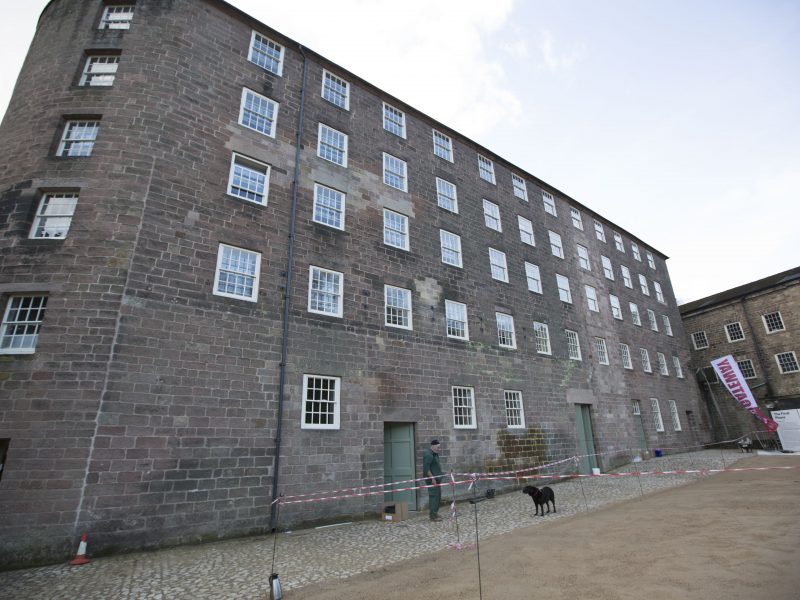
Commissioned by The Arkwright Society, the project focused on the restoration and conversion of Building 17, a Grade I listed five-storey mill building located within the Derwent Valley Mills UNESCO World Heritage Site. Vacant since the 1970s and previously listed on the English Heritage “at risk” register, the building required extensive repair and sensitive restoration works to bring it back into sustainable economic use.
The Gelder Group successfully delivered the £1.56 million restoration project within a challenging 22-week programme, transforming the historic structure into a vibrant mixed-use facility while preserving its architectural and historical significance.
Points to Consider
Delivering restoration works to a nationally important heritage asset presented a number of unique challenges that required specialist expertise and close collaboration throughout the programme:
Grade I Listed Conservation
Working within a highly sensitive listed structure demanded exceptional care and attention to detail to preserve the historic fabric of the building while complying with strict conservation requirements.
Complex Restoration Works
The building had remained unused for decades, resulting in significant deterioration that required specialist structural repairs, masonry restoration and careful integration of modern services within the historic environment.
Challenging Programme
The project was delivered within an ambitious 22-week programme, requiring effective coordination between specialist trades, consultants and stakeholders to ensure successful completion.
Solutions & Technical Specifications
The restoration works successfully balanced heritage conservation with the creation of practical modern spaces designed to support the long-term sustainability of the site.
Creative Workspace Conversion
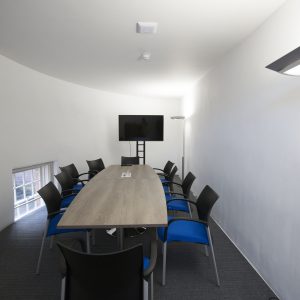
The four upper floors of Building 17 were carefully restored and converted into managed workspace units aimed at supporting creative industries and local businesses.
Visitor Gateway Centre
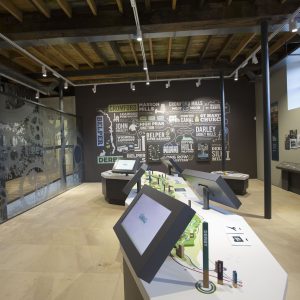
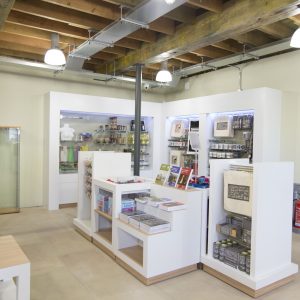
A new visitor ‘Gateway’ centre was created on the ground floor, providing information, interpretation and orientation for visitors exploring Cromford Mills and the 15-mile Derwent Valley Mills World Heritage Site.
Heritage Restoration
Extensive repair works were undertaken to preserve the historic structure, including masonry repairs, timber restoration and conservation-led refurbishment works throughout the building.
Modern Infrastructure Integration
Modern building services and infrastructure were sensitively integrated within the listed structure to support the building’s new use while maintaining its historic character.
The People Behind the Project
This project demonstrated the expertise and dedication of the Gelder Group Major Contracts Division in delivering complex heritage restoration schemes.
Working closely with The Arkwright Society, Purcells and specialist conservation teams, the project required a collaborative and solutions-driven approach throughout. The successful regeneration of Building 17 reflects the commitment and craftsmanship of everyone involved.
Kevin Manterfield, Major Contracts Director, commented:
“This project is unique and challenging and one that both my team and I are proud to undertake.”
Community Impact
The restoration of Building 17 has played a vital role in preserving one of Britain’s most important industrial heritage landmarks while supporting the long-term regeneration of Cromford Mills.
The completed development has created new opportunities for businesses, enhanced the visitor experience and contributed towards making the wider site economically sustainable for future generations.
The success of the project was recognised internationally when it received a prestigious Europa Nostra Award as part of the European Union Prize for Cultural Heritage.